

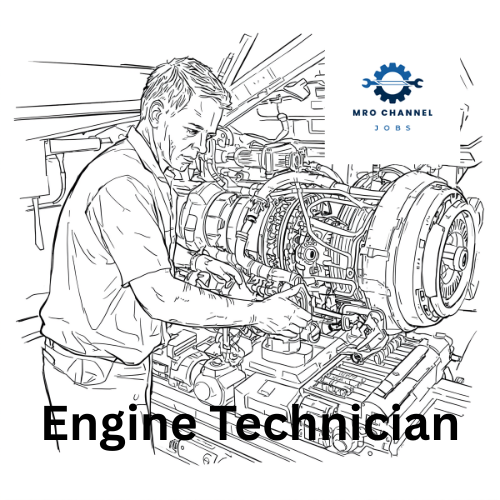
The Maintenance, Repair, and Overhaul (MRO) ecosystem serves as the foundation of modern industrial and defence capability. At its core are engines and propulsion systems—powering aircraft, naval vessels, armoured vehicles, and industrial machinery. Ensuring their reliability and optimal performance is the responsibility of a highly specialized workforce: engine and propulsion technicians.
These professionals play a critical operational role in maintenance, diagnostics, repair, and overhaul of power-generating systems. Their expertise spans multiple sectors—aviation, marine, land defence, and industry, making them one of the most strategically significant technical trades in India’s evolving MRO landscape.
Propulsion systems are among the most complex and safety-critical components in any platform. Operating under extreme conditions of temperature, pressure, and mechanical stress, they demand precision, discipline, and technical expertise. Technicians are responsible for inspection, fault diagnosis, disassembly, overhaul, component replacement, and rigorous testing, ensuring systems are certified for operational use. In aviation, they handle turbofan and turboprop engines; in marine sectors, large diesel engines and propulsion shafts; and in land systems, armoured vehicle power packs. Their work directly influences safety, reliability, and mission readiness.
India’s growing demand for these professionals is driven by structural and long-term trends. The rapid expansion of civil aviation, coupled with advanced engine technologies, is increasing the need for skilled maintenance personnel. Simultaneously, the push for defence self-reliance is strengthening in-house maintenance capabilities across the armed forces. Industrial modernization, including the adoption of gas turbines and high-performance compressors, is further driving demand. Growth in shipbuilding and maritime operations, along with national initiatives to enhance domestic manufacturing and MRO capabilities, continues to accelerate this requirement.
Beyond India, the global demand for propulsion technicians remains strong. Major MRO hubs across Asia, the Middle East, Europe, and North America face persistent shortages of skilled personnel. This creates significant international opportunities for Indian technicians, particularly those with globally recognized training and certifications. As global fleets expand and experienced technicians retire, the demand for skilled propulsion specialists is expected to remain robust over the long term.
India already possesses a diverse and capable training ecosystem to support this trade. Technical institutes and polytechnics provide foundational knowledge in mechanical and industrial maintenance. Specialized aviation training organizations offer programs aligned with regulatory standards, while defence training establishments build expertise tailored to military platforms. In addition, industry-led initiatives and private training providers are emerging to bridge skill gaps and align training with real-world operational requirements.
To excel in this field, technicians must combine strong mechanical fundamentals with advanced diagnostic and analytical skills. They must understand complex systems such as turbines, fuel systems, and gearboxes, while also being proficient in precision measurement and data-driven troubleshooting. Equally critical are discipline, documentation, and strict adherence to safety and regulatory standards.
Career progression in this domain is structured and rewarding, offering pathways from technician roles to senior technical, inspection, planning, and management positions. With experience, professionals can specialize in engine overhaul, performance diagnostics, or reliability engineering, and may transition into training, consulting, or leadership roles.
Looking ahead, India has the potential to emerge as a global hub for training propulsion technicians. With its large, trainable workforce and expanding industrial base, the country is well positioned to meet both domestic and international demand. By aligning training with global standards and strengthening industry collaboration, India can transform this trade into a key pillar of its MRO growth strategy.
In this context, engine and propulsion technicians are not merely support personnel—they are central to ensuring reliability, safety, and operational readiness of the systems that power modern economies and defence capabilities.